Read more
As we move into 2025, Geographic Information Systems (GIS) continue to evolve, becoming more integral to decision-making processes across industries and offering new capabilities and solutions.
GIS (Geographic Information System) is a powerful tool that enables municipalities to collect, manage, analyze, and map vast geographic data. With GIS, spatial information becomes more accessible, improving many
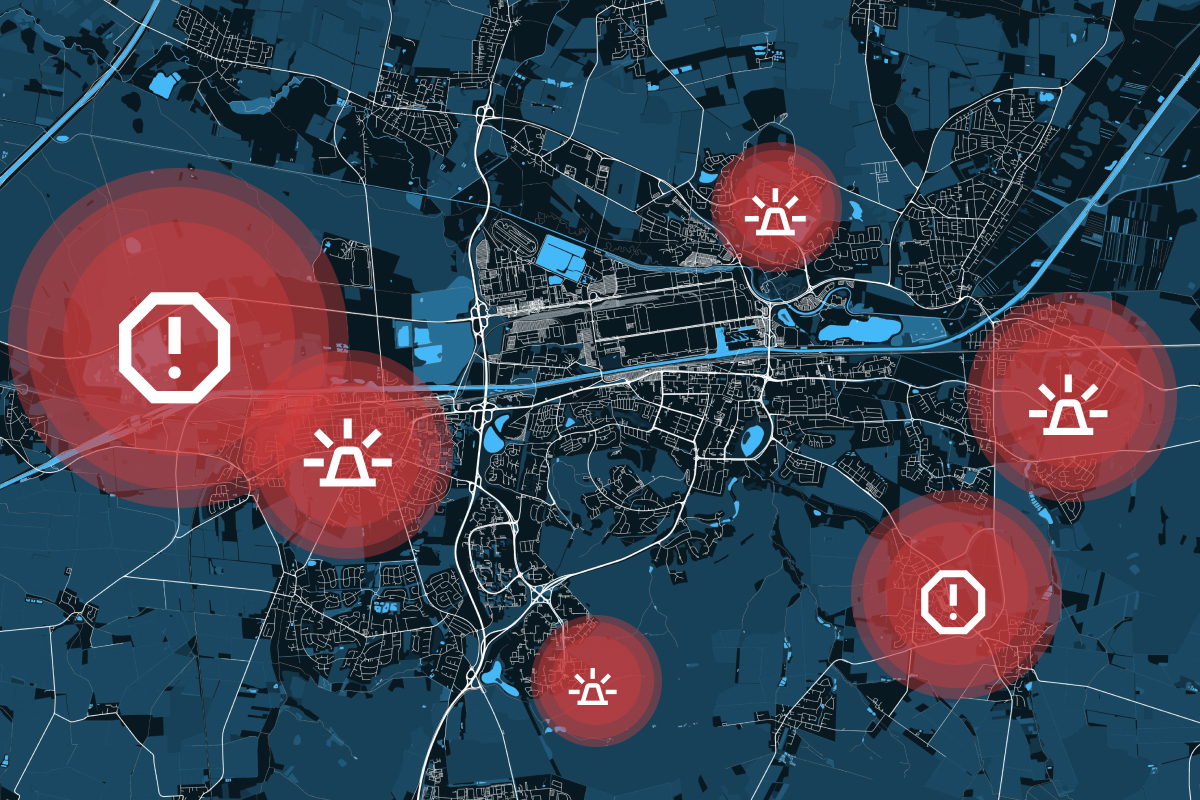
International Disaster Risk Reduction Day, celebrated every year on October 13th, emphasizes the critical need for proactive strategies to mitigate the effects of natural hazards.
Exposure management is crucial for insurance companies to maintain sufficient capital against catastrophic losses. Without carefully balancing their exposures and capital, a single catastrophe can put a company out of business. GIS-powered interactive maps are a powerful tool for visualizing and managing risk
Data generation is accelerating at an unprecedented rate, with billions of data points being created every hour. As this continues to be produced around the globe, geospatial data (information derived from tools monitoring our world) is increasingly important for many businesses.
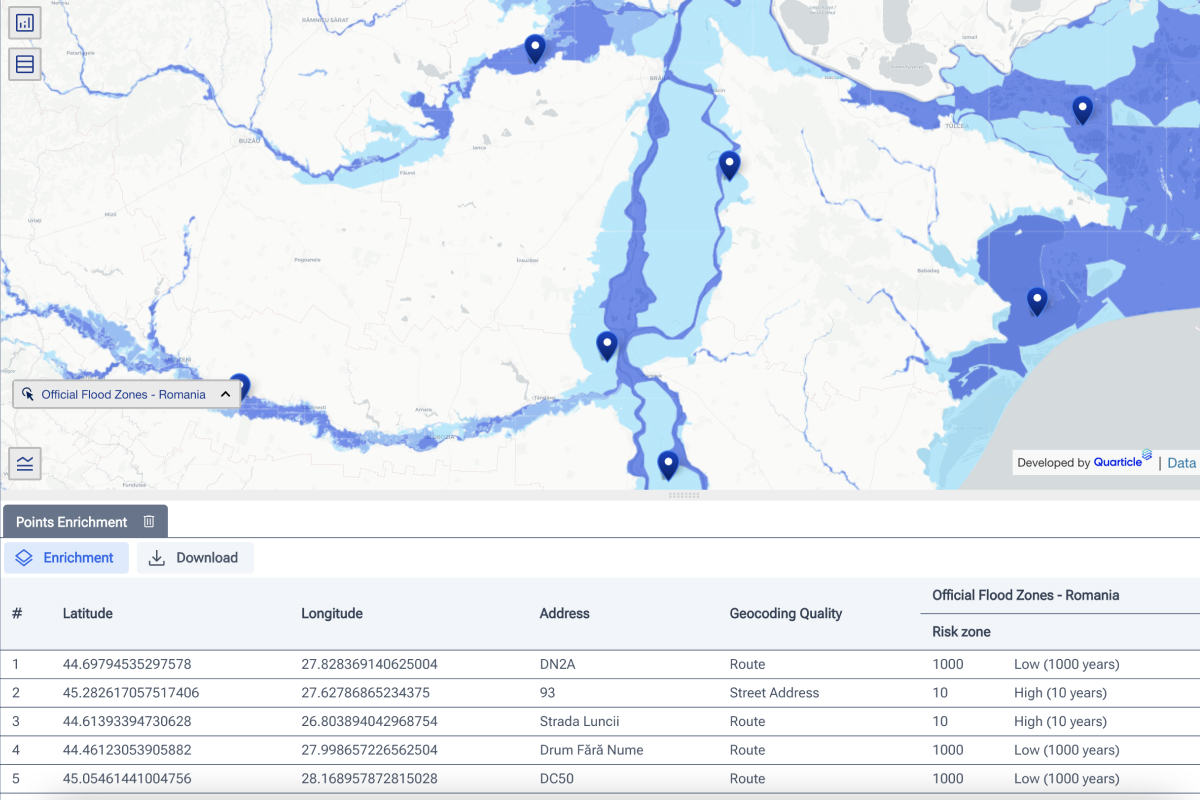
Geocoding APIs are essential tools for businesses and organizations that rely on location data. These APIs allow developers to convert addresses and other location information into geographic coordinates, facilitating geospatial analysis, visualization, and mapping applications.
In the realm of Geographic Information Systems (GIS), accessibility has become a crucial yet often overlooked aspect. While GIS technologies have revolutionized spatial data analysis and visualization, a significant gap exists in ensuring equal access for all users.
The smooth integration of geographic information in applications such as Google Maps and the precise calculations powering GPS systems highlight the significant advancements made in the field.
Are you intrigued by the potential of Geographic Information Systems (GIS) but unsure where to start? GIS technology offers a powerful set of tools for analyzing and visualizing spatial data, but approaching a solution provider can feel intimidating, especially if you're new to the field or unaware of its potential.